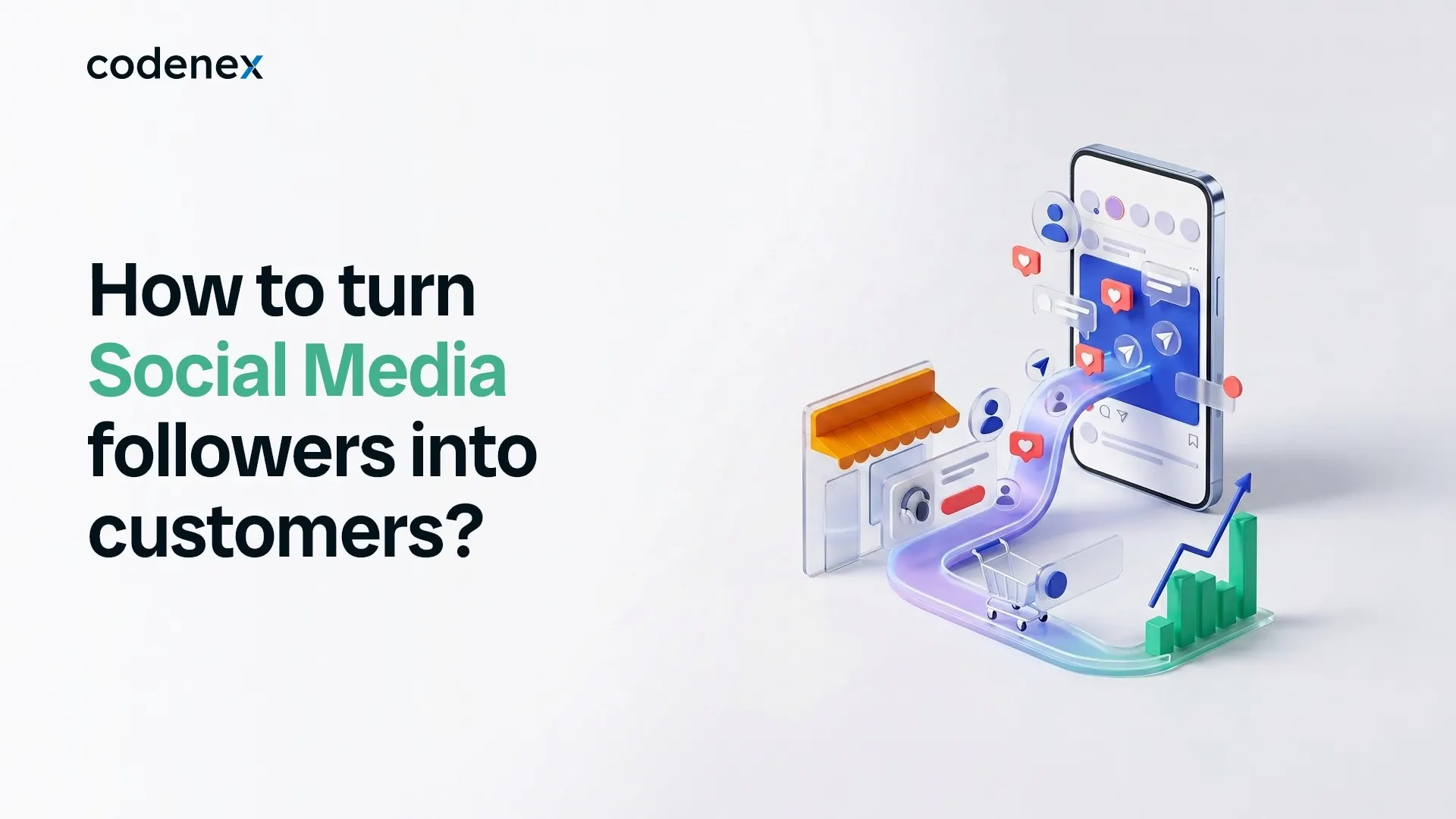
Having thousands of followers may look impressive, but followers alone do not generate revenue. The real value of social media comes from turning attention into action. For businesses, the goal should not simply be to gain more followers but to build relationships that encourage people to trust your brand, explore your products or services, and eventually become customers.
So, how can you turn social media followers into customers? It starts with understanding what your audience wants and creating a journey that moves them from simply watching your content to taking meaningful action.

1. Stop Focusing Only on Follower Count
A large follower count does not always mean a successful social media strategy. You can have thousands of followers and still receive very few enquiries or sales.
Instead of asking, “How many followers do we have?” businesses should ask, “How many followers are actually interested in what we offer?”
Quality matters more than quantity. A smaller audience that genuinely needs your products or services can be far more valuable than a large audience with little interest in your business.
Focus on attracting the right people, creating useful content, and building an audience that has a genuine reason to choose your brand.
2. Understand What Your Audience Really Wants
People follow brands for different reasons. Some want useful information, some are looking for solutions to a problem, while others simply enjoy entertaining content
Understanding these motivations can help you create content that connects with your audience
Look at your comments, messages, website visits, and engagement patterns. What questions are people asking? Which posts receive the most attention? What problems are they discussing?
These insights can help you create content that feels relevant rather than promotional. When people feel understood, they are more likely to trust your business.

3. Create Content That Builds Trust
People rarely purchase from a brand they do not trust. Social media gives businesses an opportunity to build that trust before asking for a sale.
Share customer experiences, behind-the-scenes content, helpful tips, product demonstrations, case studies, and answers to common questions.
Instead of constantly saying “Buy now,” show people why your product or service is worth considering
Educational content can position your business as knowledgeable, while real customer stories can provide social proof. Together, these elements make your brand feel more authentic and reliable.
4. Give Followers a Reason to Take Action
Even when followers are interested in your business, they may not know what to do next. This is where a clear call to action becomes important.
Tell your audience what action you want them to take. It could be visiting your website, sending a message, requesting a quote, booking a consultation, or purchasing a product.
Your call to action should be simple and relevant to the content. A useful post can end with “Learn more,” while a product-focused post could encourage users to “Shop now.”
The easier you make the next step, the more likely people are to take it.
5. Turn Engagement Into Real Conversations
Likes and comments are valuable, but conversations can be even more powerful. When someone comments on your post or sends a message, treat it as an opportunity to start a relationship.
Respond quickly, answer questions clearly, and avoid sending generic replies. A helpful conversation can move someone much closer to becoming a customer.
For service-based businesses, social media messages can be especially useful for understanding customer needs and identifying genuine enquiries.
The objective is not to pressure people into buying. It is to help them make a confident decision.
6. Use Paid Social Media Strategically
Organic content can build trust, but paid social media can help businesses reach the right audience at scale.
Instead of promoting every post, identify content and offers that already perform well. Then use targeted advertising to reach people who are more likely to be interested in your products or services.
Retargeting can also help reconnect with people who have visited your website, interacted with your content, or shown interest but have not yet converted.
When organic content and paid campaigns work together, social media can become a stronger part of your overall digital marketing strategy.

7. Make Your Website Part of the Journey
Social media should not work separately from your website. Once followers become interested, your website often becomes the next place they go to learn more about your business.
Make sure your website loads quickly, works well on mobile devices, clearly explains your offering, and provides an easy way to contact or purchase from you.
Your social media content may create interest, but your website should help convert that interest into action.
This is why businesses need a connected digital marketing strategy rather than treating social media as an isolated channel.
8. Measure What Actually Drives Sales
Finally, do not judge your social media strategy only by likes, followers, or impressions. Look at the metrics that connect social media activity with business results.
Track website traffic, enquiries, leads, conversions, sales, and customer acquisition costs. This helps you understand which content and campaigns are actually contributing to growth.
At Codenex, we help businesses build digital marketing strategies that go beyond vanity metrics. From social media marketing and paid advertising to SEO and website development, the focus is on creating meaningful digital experiences that attract the right audience and turn attention into business growth.
The goal is simple: don’t just build followers. Build customers.