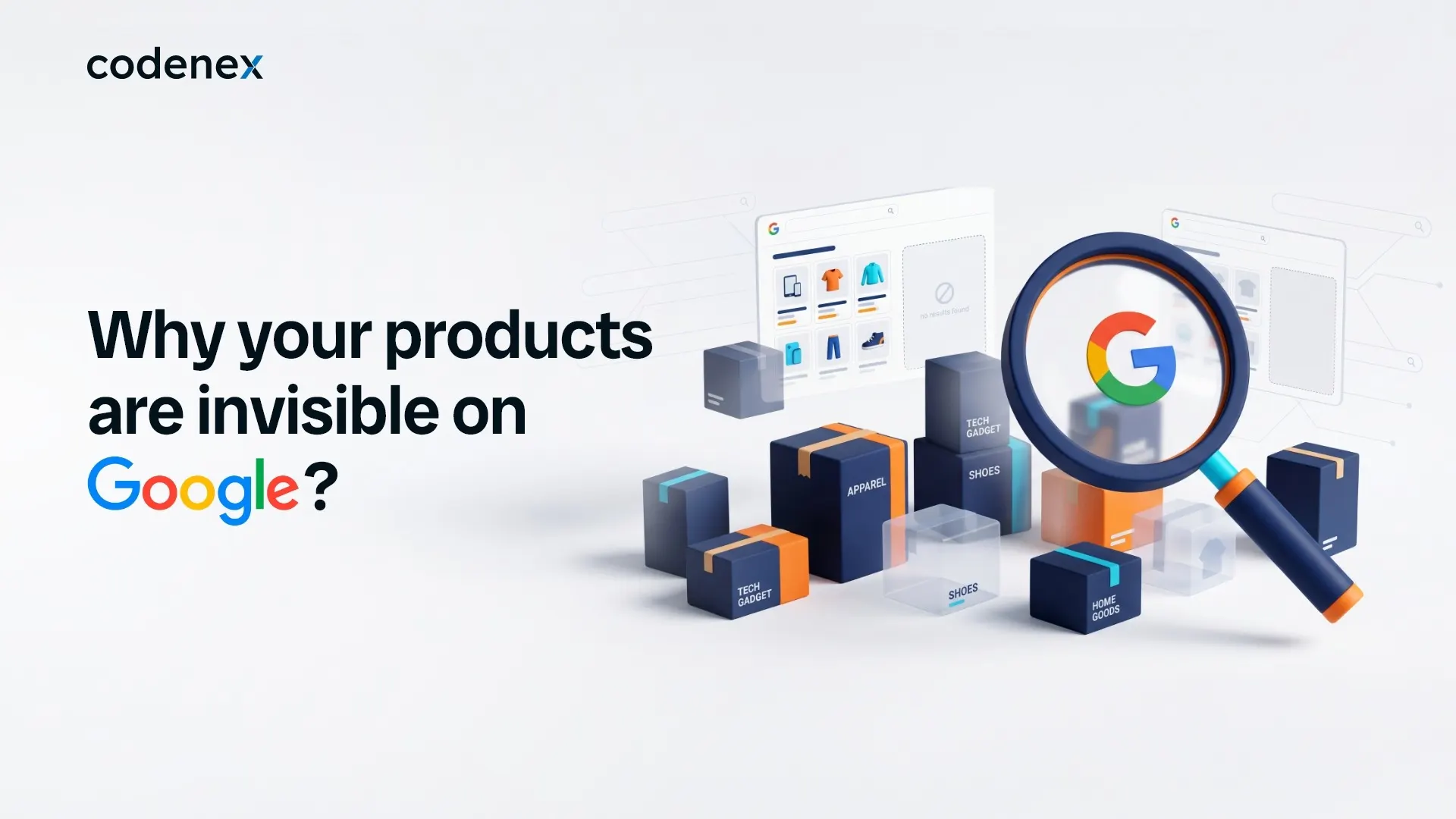
Running an e-commerce store with great products is only part of the journey. If you’re wondering why your products are invisible on Google, the problem often lies in poor SEO and ineffective digital marketing strategies that limit your online visibility and reach.
Every day, thousands of shoppers search on Google for products they need. If your store is not appearing in those search results, potential buyers are likely purchasing from competitors instead.
This is where SEO becomes one of the most valuable growth channels for e-commerce businesses.
What Is E-commerce SEO?
SEO (Search Engine Optimization) is the process of improving your online store so that search engines can understand, rank, and display your pages when people search for relevant products.
For e-commerce stores, SEO is not only about ranking the homepage. It also includes:
- Product pages
- Category pages
- Collection pages
- Blog content
- Technical website structure
- Mobile experience
- Page speed
When done correctly, SEO helps attract visitors who are already interested in buying.
Why Your Products May Be Invisible on Google
1. Wrong or Missing Keywords
Many product pages use internal product names instead of phrases customers actually search for.
For example, shoppers may search for “wireless earbuds with mic” instead of a branded model code.
Using the right search-focused keywords helps your pages appear in relevant searches.
2. Weak Product Descriptions
Copying manufacturer descriptions or using very short content can hurt visibility.
Search engines prefer original, useful descriptions that clearly explain benefits, features, usage, and buying confidence.
3. Poor Category Structure
If products are not organized properly into collections or categories, both users and search engines struggle to navigate the store.
A clean structure improves rankings and user experience.
4. Slow Website Speed
Online shoppers expect fast-loading pages. Slow websites increase bounce rates and reduce conversions.
Speed also plays a role in search performance.
5. Duplicate Content Issues
Many e-commerce websites unintentionally create duplicate pages through filters, variants, tags, or copied descriptions.
This can confuse search engines and weaken ranking potential.
6. No Technical SEO Foundation
Broken links, indexing errors, missing meta titles, poor mobile usability, and crawl issues can stop even strong stores from ranking well.
Why SEO Is Powerful for E-commerce
Unlike paid advertising, SEO can continue bringing traffic without paying for every click
Benefits include:
- High-intent visitors
- Better brand visibility
- Lower long-term acquisition costs
- Consistent product discovery
- Stronger trust with customers
- Long-term growth asset
When customers find your products naturally, conversions often improve because they were already searching for a solution.
What Smart Stores Focus On
Growing e-commerce brands usually invest in:
- Product keyword research
- Optimized titles and descriptions
- Faster website performance
- Category page improvements
- Internal linking
- Content marketing
- Technical SEO maintenance
Even a few strategic changes can create noticeable traffic growth over time.
SEO Is Not Instant, But It Is Valuable
SEO is a long-term strategy. Results may take time, but the compounding value can be significant.
While paid ads stop when budgets stop, strong SEO continues working in the background.
Ready to Make Your Products Visible?
If your products are not appearing where customers are searching, you may be missing valuable daily sales opportunities.
We help e-commerce brands improve rankings, grow organic traffic, and turn search visibility into revenue.